
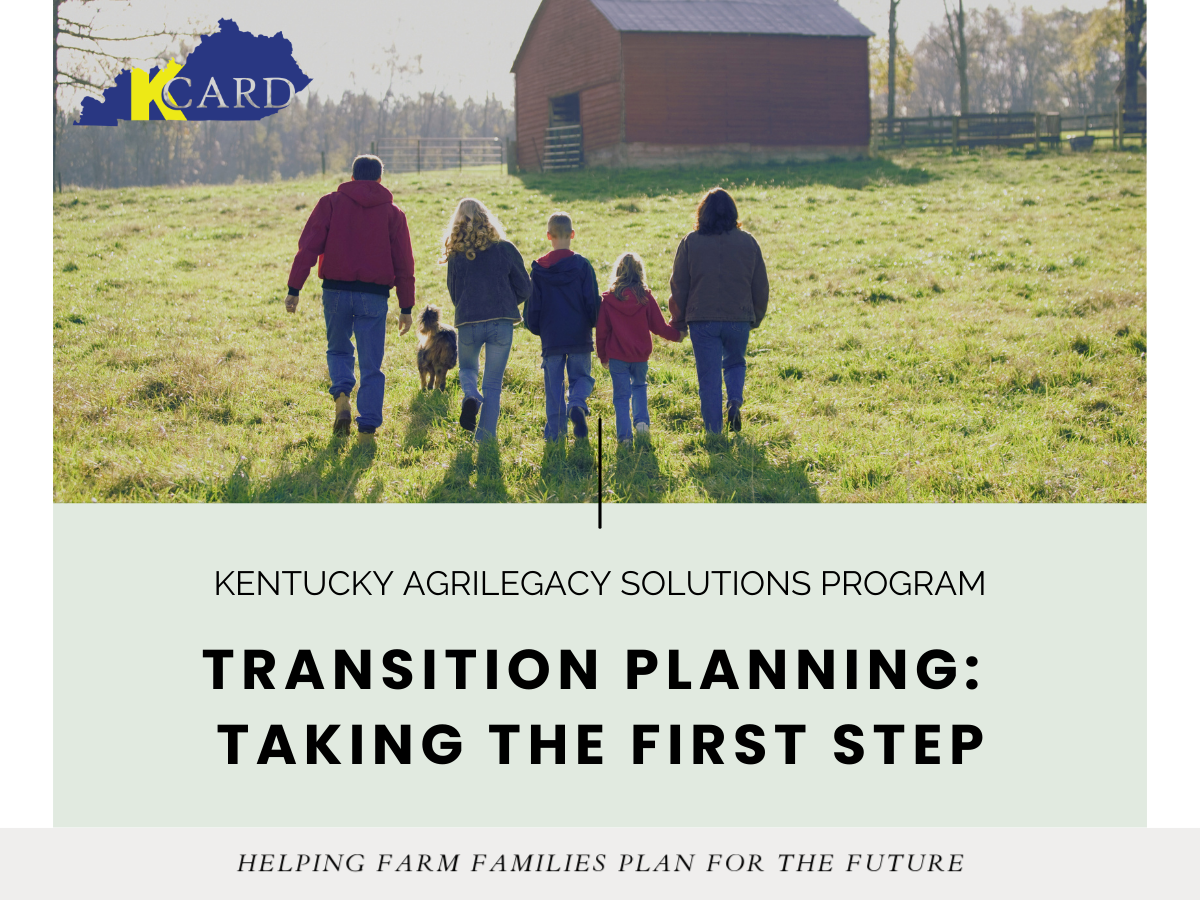
At KCARD, our goal is simple: To help families navigate the transition from one generation to the next—so everyone can still sit down together during the holidays and enjoy each other’s company. KCARD’s goal is to help families and businesses initiate meaningful conversations and navigate confidently through the transition planning process at no cost to the family.
The hardest part of transition planning is often not the legal work; it’s starting the conversation. Many families know they should talk about the future, but are not sure how or where to begin. That’s where a little preparation can make all the difference.
Why Transition Planning Matters
Nearly 80% of family farms hope to transition to the next generation, yet fewer than 20% have a plan. Only 30% make it past the second generation, and just 3% reach the fourth.*
KCARD helps bridge this gap. We provide trusted, confidential support at no cost to families, helping them begin conversations, clarify goals, and confidently navigate the Transition planning process together.
*Data: AgriLegacy
Understanding where you are now
Before sitting down with family members, it helps to get a clear picture of the current operation. This doesn’t require final answers, just awareness.
Start by taking inventory of the farm assets. This includes:
equipment
machinery
crops
livestock
buildings and land
As you list items, note how each is owned: individually, jointly, or through a business entity; and whether there are loans or liens attached. Having a general sense of these items' value and ownership can prevent confusion later.
Identifying the location of (and names listed on) important documents like deeds, leases or operating agreements, loans, wills, and insurance policies all play a role in the planning process. You will not need to analyze these documents yet, but identify what exists and where they are stored. Making a master list or shared document and where it’s stored can make future planning and conversations easier.
When taking inventory of assets and important documents, it is also important to take note of what the current management of your farm or business looks like.
Who is involved in the day-to-day operations?
Who are the decision makers and their responsibilities?
Having an understanding of how an operation currently functions helps set the stage for conversations about the future.
Clarify where you want to be
Once you have a clear understanding of where you are, the conversation can shift to where you want to be, or your vision for the future.
Ask yourself what transition looks like for your farm or business five to ten years from now. Every family’s priorities are different. Some focus on keeping the farm financially viable, others on treating heirs equitably, and many on maintaining family harmony above all else. There are no right or wrong answers but talking through these priorities early can prevent misunderstandings down the road.
Think About the Path Forward
Transition planning is not something families have to navigate alone. In fact, involving professional advisors is often what keeps conversations productive and grounded.
Common advisors include accountants or CPAs, attorneys, lenders, and wealth management advisors. Others may involve retirement planners or business consultants. Knowing who is already part of your team, and who might need to be involved helps families move from conversation to action when they’re ready.
Turning Preparation into Conversation
The purpose of preparing in advance isn’t to have all the answers, it’s to create a starting point. When families come to the table with shared information and thoughtful reflection, conversations tend to be calmer, clearer, and more productive.
Transition planning doesn’t happen in one meeting. It’s a process that evolves over time, and it works best when families start early and intentionally revisit discussions often.
KCARD is here to help families take that first step. Whether that’s organizing information, identifying goals, or simply figuring out how to begin the conversation. When families plan together, they’re not just planning for the future of the operation; they’re investing in the future of their relationships, too.
Contact Us
Interested in learning more about the Kentucky AgriLegacy Solutions Program or starting the transition conversation for your family farm? Learn more and get started here: Kentucky AgriLegacy Solutions Program — Kentucky Center for Agriculture and Rural Development